Understanding Iron: Causes, Symptoms, and the Crucial Need for Testing

Iron is an unsung hero of your health. This vital mineral plays a fundamental role in transporting oxygen to every organ, supporting your immune system, and fuelling energy production. Iron deficiency (ID) is the most common nutritional deficiency worldwide, yet its causes are diverse and its symptoms can often be vague. Understanding your iron status requires more than just guessing; it requires investigation.

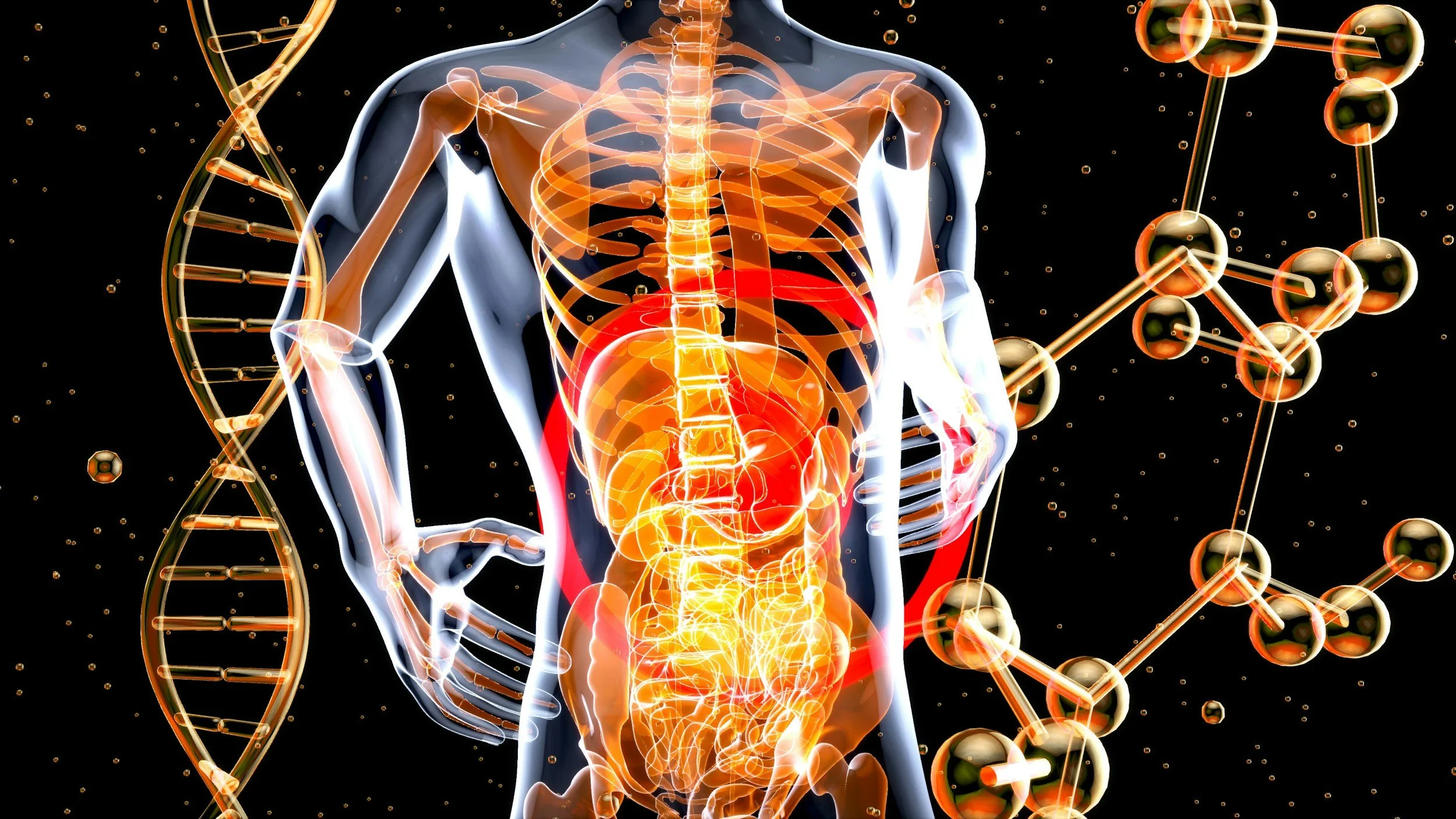
Red blood cells carry iron throughout the body

The reasons for high and low iron levels are varied and require pathological investigation.
The Many Causes of Iron Deficiency

Iron deficiency can stem from several key areas, making a blanket treatment approach ineffective and potentially dangerous:

  • Inadequate Dietary Intake: While haem iron (found in meat) is readily absorbed, non-haem iron (from plants like beans and greens) is less easily utilized. Diets low in iron, particularly vegetarian, vegan, and pescatarian diets, can easily lead to a deficit.

  • Increased Body Needs: The body’s demand for iron spikes during specific life stages. Growing children and pregnant women have significantly higher requirements. Athletes also need more iron due to increased losses through sweat and urine during vigorous activity.

  • Poor Absorption: Various conditions can hinder your gut’s ability to pull iron from food. Stress, inflammatory bowel conditions (Crohn’s disease, ulcerative colitis, IBD), and digestive issues like IBS or post-bariatric surgery can all reduce the absorptive surface area or impair the gastric acid needed for iron uptake. Furthermore, compounds in foods like plant phytates (in grains) and tannins (in non-herbal tea) can decrease non-haem iron absorption.

  • Chronic Blood Loss: This is a major cause that must be investigated. Heavy menstrual bleeding is a common culprit for women, while both men and women can experience chronic, slow bleeding from conditions like peptic ulcers or undiagnosed gastrointestinal issues.

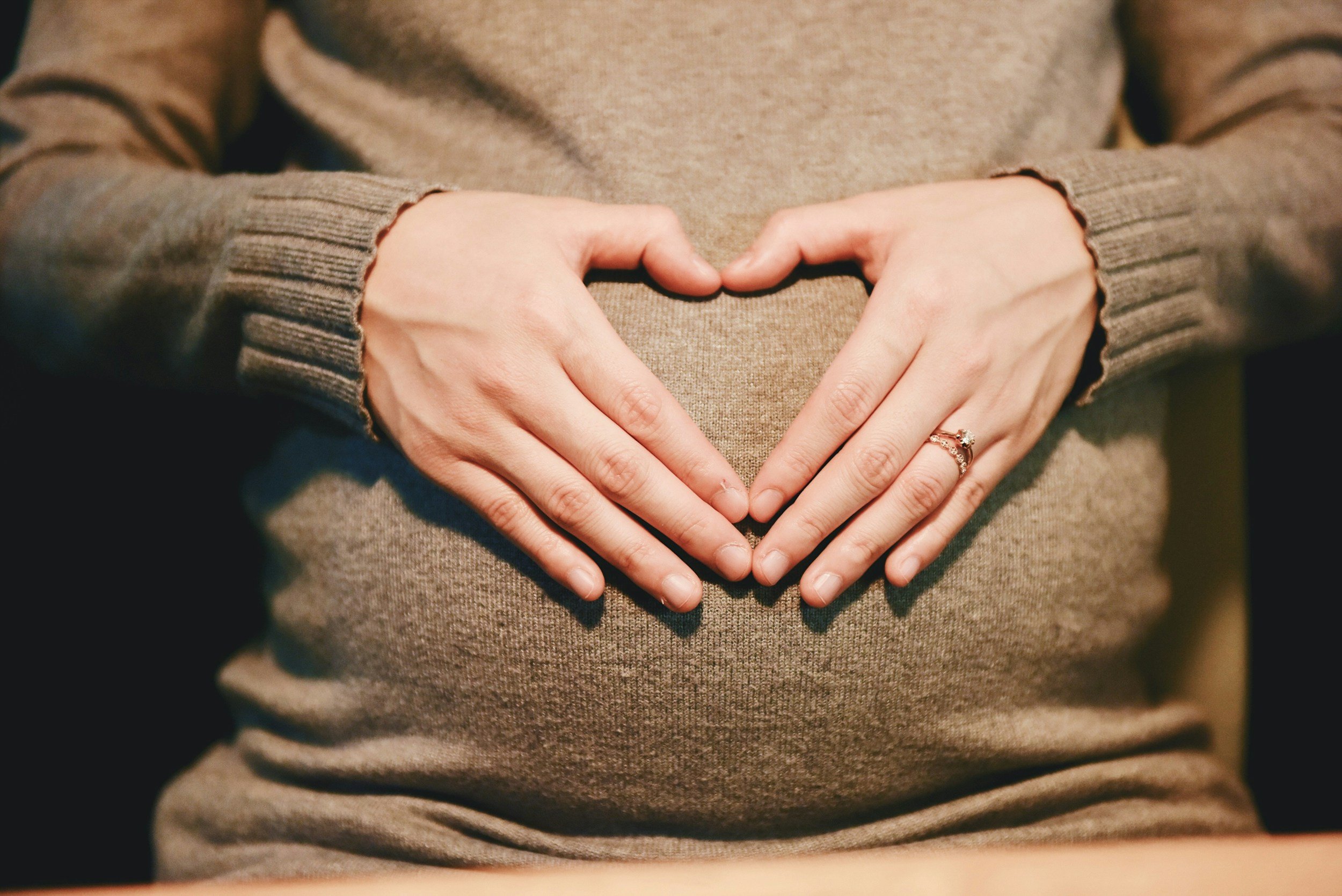
Iron needs change with pregnancy

For advice on iron needs, your status and supplementation clarity, seek naturopathic or dietary advice.

Identifying the Symptoms of Low Iron

Iron deficiency often presents with symptoms that are easily mistaken for simple stress or exhaustion. Key signs include fatigue, pale skin and conjunctiva (pallor), shortness of breath, a tendency toward constant colds and flu, and attention deficit (especially relevant for children diagnosed with ADHD). If you experience persistent fatigue or any of these symptoms, your iron levels should be checked.

Why You Might Be Deficient Despite Eating Red Meat

Sometimes, the body has enough iron stored, but it can’t access it—a state known as Functional Iron Deficiency (FID). This is often linked to chronic inflammation stemming from conditions such as autoimmune diseases, obesity, cardiovascular disease, or cancer.

In FID, inflammation triggers the release of the hormone hepcidin. Hepcidin then acts like a key, locking iron away in storage sites (like the liver and spleen) and blocking its release to the areas that need it, such as for red blood cell production. As a result, even if you eat iron-rich foods, the iron is trapped and unusable, leading to symptoms of deficiency.

The Hidden Danger: Iron Overload (Haemochromatosis)

While deficiency gets the most attention, iron overload is a significant, often-overlooked concern. Too much iron accumulating in the body is toxic and can damage vital organs. The most common cause is the genetic condition haemochromatosis.

Symptoms of iron overload are non-specific—including fatigue, joint pain, and loss of libido—and often appear late. Risks associated with unmanaged iron overload include severe issues like liver disease, arthritis, diabetes, and heart disease.

Crucially, inappropriate iron supplementation is a significant risk factor for overload. Taking unnecessary iron can lead to toxicity, inflammation, and side effects like nausea, constipation, or stomach upset.

Important Disclaimer and Call to Action

Please note: Iron supplementation should NEVER be started without professional guidance. It is considered hazardous to treat a person with iron therapy without first confirming a diagnosis of deficiency through laboratory tests that examine both stored and functional iron levels.

As an Integrative Naturopath in the Byron Bay area, I specialise in investigating the root cause of iron imbalances—be it a dietary deficiency, an absorption issue, chronic blood loss, or functional deficiency due to inflammation.

Stop guessing about your iron status. Book an online appointment today to get the clarity you need for safe, effective, and personalised iron support.

Book Now

Why Can’t I absorb Iron?

Certain factors can hinder the body's ability to absorb iron such as stress, irritable bowel disease, irritable bowel syndrome, Chron’s disease, ulcerative colitis, and bariatric surgery. Persons with these conditions are particularly susceptible to iron deficiency due to a decreased absorptive surface area or reduced gastric acid secretion. Additionally, some foods containing plant phytates (found in grains) and tannins (in non-herbal tea) can decrease non-heme iron absorption. Chronic Blood Loss: Chronic blood loss is a significant contributor to iron deficiency. Conditions such as peptic ulcers can lead to slow, steady bleeding that the body cannot compensate for, potentially resulting in refractory iron deficiency anemia. Similarly, heavy menstrual bleeding in women and any form of upper or lower gastrointestinal bleeding should be investigated as a potential cause of iron deficiency before beginning treatment.

Why am I Iron Deficient when I eat red meat?

Systemic inflammation can block iron absorption and also present as iron overload.

Chronic inflammation, stemming from conditions like malaria, parasitic infections, autoimmune diseases, arthritis, obesity, cardiovascular disease, cancer, and HIV, can lead to a type of iron deficiency called functional iron deficiency (FID). In this state, an inflammatory response triggers the release of the hormone hepcidin. Hepcidin then blocks ferroportin, the protein responsible for exporting iron, which reduces the absorption of iron from the gut and traps existing iron in storage pools like the liver, spleen, and lymph nodes. As a result, even though the body has sufficient iron stored, the functional iron pools needed for things like red blood cell production are deficient because the stored iron cannot be accessed.

Iron Overload (and Haemochromotosis)

While iron deficiency is more common, iron overload is a significant concern that is often overlooked because its clinical presentation is subtle and gradual. When too much iron accumulates in the body, it can become toxic and damage vital organs. The most common cause of iron overload is genetic haemochromatosis, one of the most prevalent genetic diseases among people of European descent. Symptoms often appear late in the disease's progression and are non-specific, including fatigue, joint pain, loss of libido, and abdominal pain. Later stages can involve more serious issues such as arthritis, liver disease, diabetes, and heart disease. Another significant risk factor for iron overload is inappropriate iron supplementation when a person's iron levels are not optimised as a result of any of these factors. Taking unnecessary iron supplements can lead to iron toxicity, stomach upset, more inflammation and are often associated with gastrointestinal side effects such as nausea, stomach cramps, constipation, fatigue and diarrhoea. Very high doses can be dangerous and even fatal, especially for children.

Please note, iron supplementation should only be considered if recommended by a healthcare professional and it is considered hazardous to treat a person with iron therapy without first confirming a diagnosis of iron deficiency through laboratory tests.

Find out what is best for you
Previous
Previous

Finding Balance in the Change: Navigating the Menopause Transition

Next
Next

Sleep Better, Live Better: The Essential Connection Between Nutrition and Restful Nights